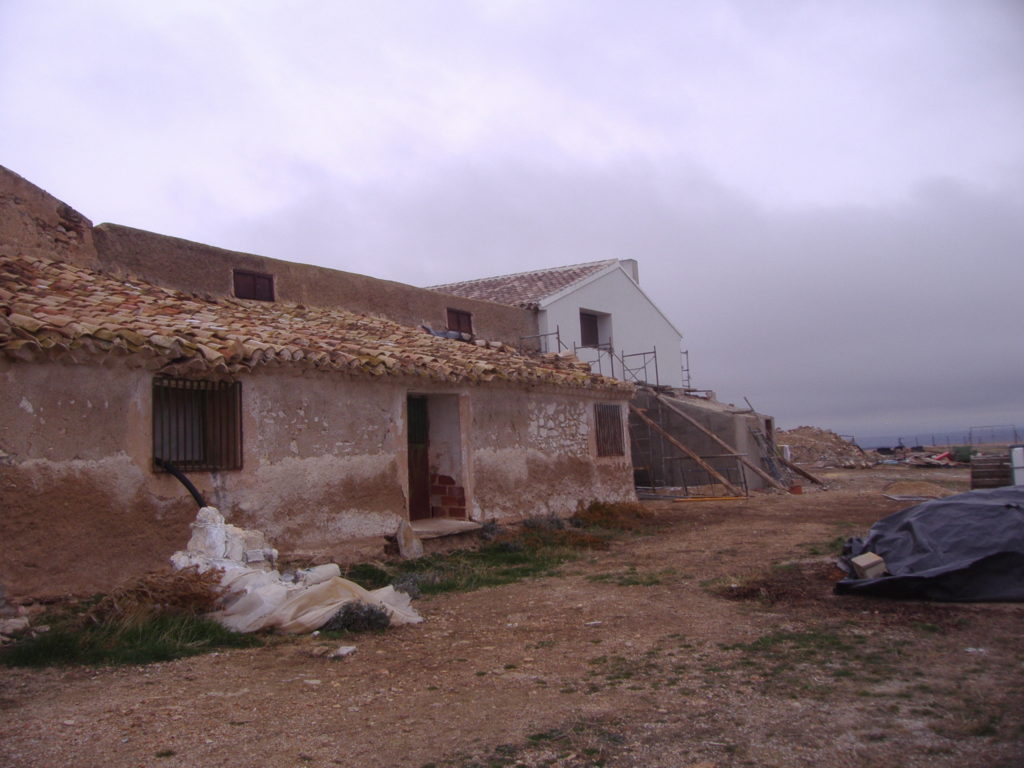
A part of history …
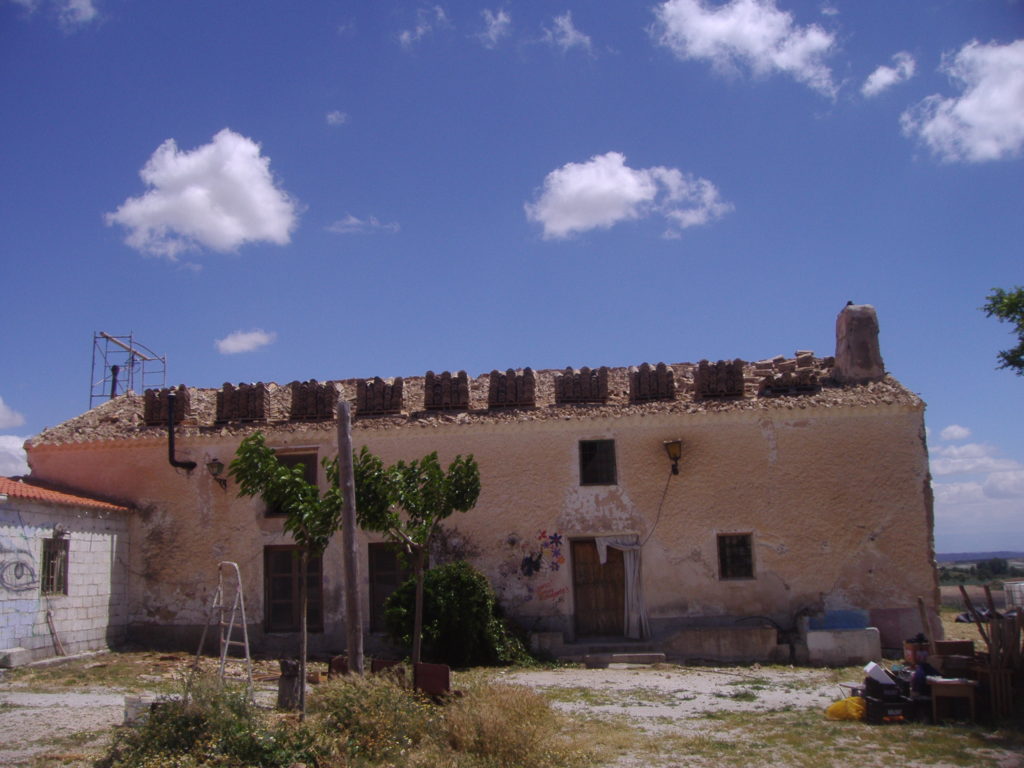
Both Cortijo Los Llanos and the surrounding cortijos (Santa Teresa, Marmolance, Cortijo Valentín, Torralba, El Ratón) were built around the same time and served similar functions. We are talking about the 1840s approximately.
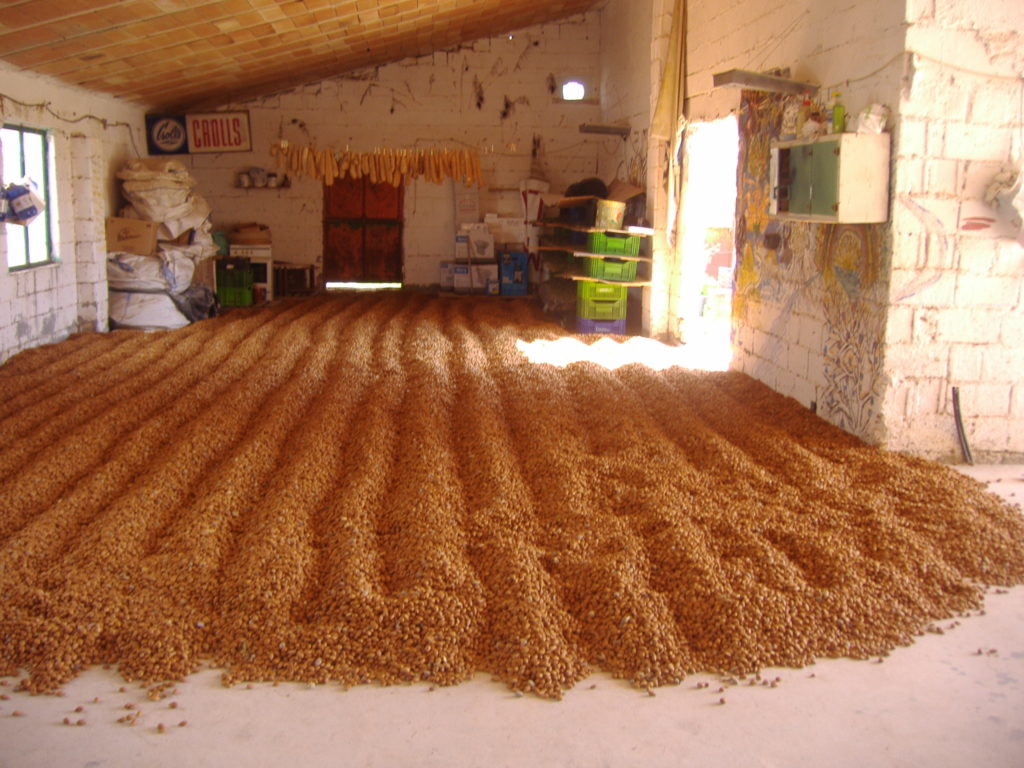
Belonging to an agricultural structure, which was clearly latifundist at that time, these constructions met the strategic need for housing for the farmers who worked the land, their animals, and spaces for tools or storage of crops. Devoid of luxury or comfort, but solid and robust, they had a part for housing and other large spaces for work, tools, animals (corrals), a threshing area for cereals, storage, etc.
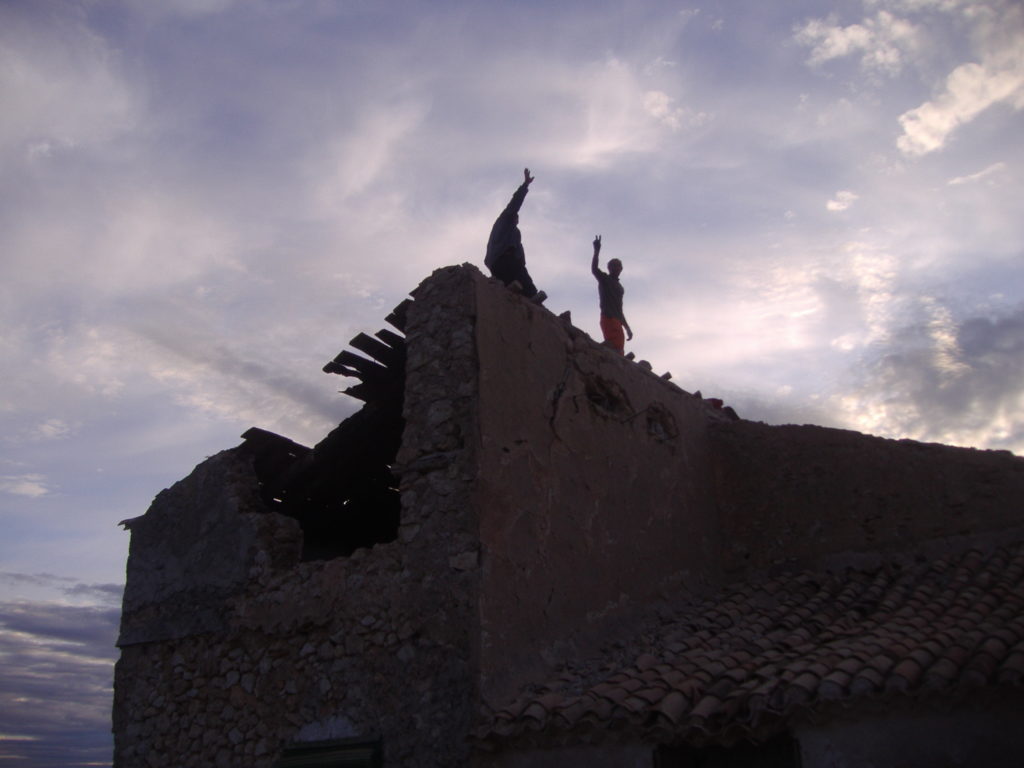
The history of the cortijos has run parallel to the history of their agriculture or livestock. Generally, they have transitioned from very active, self-sufficient, and heavily populated centers to, in many cases today, “skeletons of stones and sticks in ruins,” if not used as sheepfolds or, in some cases, maintaining their original structure with endearing dignity; however, with large and modern agricultural or livestock buildings attached for the performance of current agriculture or livestock.
It is worth noting that in this downhill trend of abandonment of the cortijos, there was a leap into the void in the 1960s, where several factors converged: the arrival of mechanization in farming tasks (tractors, mowers, balers…), resulting in a surplus of labor; along with the unyielding search for better living conditions that the cortijos lacked (running water inside the house, electricity, bathrooms, paved streets, street lighting…). All of this resulted in a massive migration from the countryside to the city.
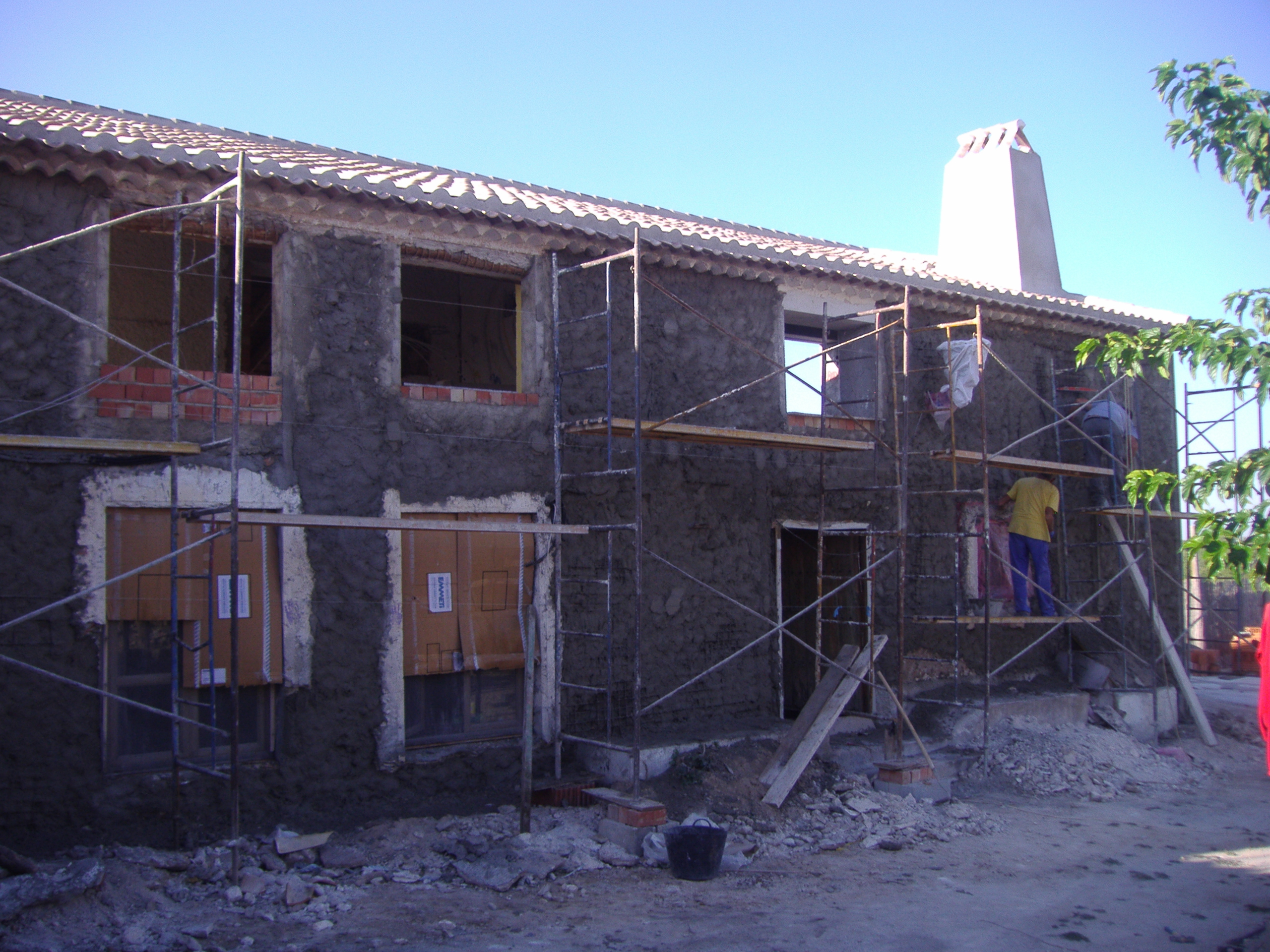
Perhaps it is a good time to return.